Watercolor Spring Gardening Clipart Review
As a designer who has spent years translating digital art into tangible thread, I approach every new asset with a critical eye. When I first opened the file for Watercolor Spring Gardening Clipart, my immediate reaction was to assess its potential beyond the screen. In the world of machine embroidery design, the gap between a pretty illustration and a stitchable reality can be wide. This collection falls squarely into the Illustrations category, promising a soft, artistic aesthetic that is currently trending in home decor and lifestyle apparel. But does it hold up under the pressure of a real-world project? Let's dive into how this specific design translates from pixel to fabric.
The First Impression: Mood and Visual Personality
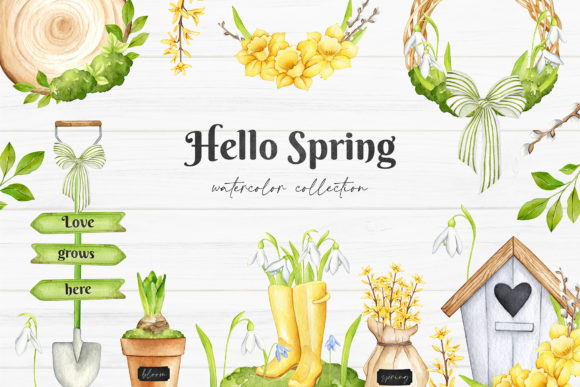
Before loading any hoop, you must understand the visual language of your asset. Watercolor Spring Gardening Clipart exudes a gentle, organic charm. The soft edges and blended hues mimic the look of wet-on-wet painting, which is exactly what makes it so appealing for spring-themed collections. However, for an embroiderer, "soft" often presents a technical challenge. Unlike bold, vector-based logos with hard lines, watercolor styles rely on gradients and subtle transitions. When I visualize this as a digital embroidery file, I am already mentally planning how to achieve those dreamy blends without creating a muddy mess of thread.
The layout feels balanced and airy, perfect for projects where negative space is just as important as the stitched area. It doesn't scream for attention; instead, it whispers elegance. This makes it an ideal candidate for personalized gifts or boutique items where the customer wants something that feels handcrafted rather than mass-produced. The theme naturally aligns with gardening clubs, Mother's Day collections, or nursery decor, offering a versatile foundation for various creative entrepreneurs.
Real-World Application: From Tote Bags to Nursery Decor
To truly test the value of Watercolor Spring Gardening Clipart, I imagined a specific scenario: preparing a custom embroidered tote bag for a local craft fair. Tote bags are a staple for Etsy sellers and small shop owners, but they require designs that can withstand the stress of carrying groceries and the texture of heavy canvas. If I were to use this clipart here, I would likely place it centered on the front panel. The soft floral elements would contrast beautifully against a natural beige or cream-colored canvas, creating a high-end, artisanal look.
Consider also the application on custom apparel. A sweatshirt embroidery project using this design could elevate a basic garment into a statement piece. Imagine a pastel-colored hoodie with the watercolor garden motif stitched on the chest or sleeve. The key here is understanding that fill stitch will need to be carefully managed to replicate the watercolor effect. Too much density, and the design loses its airy feel; too little, and the background fabric shows through unevenly. For baby items, such as a receiving blanket or a onesie, the gentle nature of the clipart is perfect. It avoids the harshness of bright neon colors, making it a safe and stylish choice for baby embroidery projects that parents love to buy.
This design also shines when used as an embroidered patch. Patches allow for more creative freedom regarding backing materials. By stitching this design onto felt or twill and adding a clean edge, you create a detachable accessory that adds instant personality to denim jackets or backpacks. The versatility extends to kitchen textiles as well; think of a tea towel or an apron featuring this garden scene. These are practical handmade products that customers appreciate for both their utility and their aesthetic appeal.
Navigating Technical Challenges and Fabric Choices
While the visual potential is high, we must address the realities of execution. Watercolor styles can be tricky on certain surfaces. If you attempt to stitch Watercolor Spring Gardening Clipart on dark fabric, you will need significant underlay stitches to ensure the light pastels pop. Without proper coverage, the colors may appear dull or washed out. Similarly, textured fabrics like heavy wool or thick fleece can disrupt the delicate lines required for this style. The needle might struggle to follow the intricate curves, leading to skipped stitches or puckering.
Stretchy fabrics present another hurdle. On a fitted t-shirt or leggings, the tension of the stretch can distort the organic shapes of the watercolor elements. I strongly advise using a tear-away or cut-away stabilizer appropriate for the fabric weight to maintain the integrity of the design. For curved surfaces like caps, the distortion risk increases. The rounded brim of a hat can flatten the bottom of the design, potentially ruining the flow of the garden imagery. In these cases, you might need to adjust the hoop size or even reposition the design to a flat area of the cap.
Detailed corners and tiny lettering, if included in the final composition, require special attention. Watercolor effects often involve fine details that can get lost if the stitch density is not optimized. If the design includes text, ensure the font size is large enough to remain legible after stitching. Small, thin letters often become blobs of thread, detracting from the professional finish of the finished product.
Practical Designer Notes for Success
If you decide to integrate Watercolor Spring Gardening Clipart into your business workflow, follow these steps to ensure quality:
- Test on Scrap Fabric First: Never skip this step. Stitch a sample on the exact fabric you plan to use for the final item. Check for puckering, thread breakage, and color accuracy.
- Review Thread Color Contrast: Since watercolors rely on subtlety, ensure your chosen thread colors provide enough contrast against the background fabric. Use a DMC chart or similar tool to preview the palette.
- Inspect Stitch Density: Open the embroidery file in your digitizing software. Look for areas where the fill stitch might be too dense, causing stiffness. Adjust settings to maintain the soft, fluid look of the original art.
- Confirm Hoop Size: Ensure the design fits comfortably within your hoop without stretching the fabric excessively. If the design is large, consider breaking it into smaller sections or using a larger hoop frame.
- Check Licensing Terms: Before selling finished items or offering the design as a digital product, verify the license agreement. Understand if you are allowed to sell the physical goods, the digital file, or both. This is crucial for commercial embroidery projects.
- Use Printable Mockups: Create printable mockups to show potential customers how the design looks on different products. This helps manage expectations and boosts buyer engagement.
Impact on Brand Value and Customer Trust
Ultimately, the choice of design assets reflects directly on your brand. Using a high-quality, well-executed design like Watercolor Spring Gardening Clipart signals professionalism and attention to detail. Customers buying from a craft business expect consistency and quality. When they receive a product where the stitching is crisp, the colors are vibrant yet soft, and the overall presentation is polished, their trust in your brand grows.
This type of design enhances the perceived value of your small shop product. A simple tote bag becomes a collectible item; a standard pillow cover transforms into a piece of home art. The emotional connection customers feel toward the "spring gardening" theme can drive sales, especially during seasonal peaks like Easter or Mother's Day. By choosing designs that resonate emotionally and execute technically, you position yourself as a go-to source for unique, handmade treasures.
In conclusion, Watercolor Spring Gardening Clipart offers a beautiful opportunity for designers to create soft, inviting, and marketable products. While it requires careful handling regarding fabric choice and stitch settings, the payoff in terms of visual appeal and customer satisfaction is substantial. Whether you are a hobbyist looking to make a personalized gift or a seasoned entrepreneur scaling your embroidery project line, this asset deserves a spot in your portfolio—provided you respect the nuances of turning art into thread.