Watercolor Soap Bubbles: A Designer’s Honest Review
First Impressions: Light, Playful, and Artistic
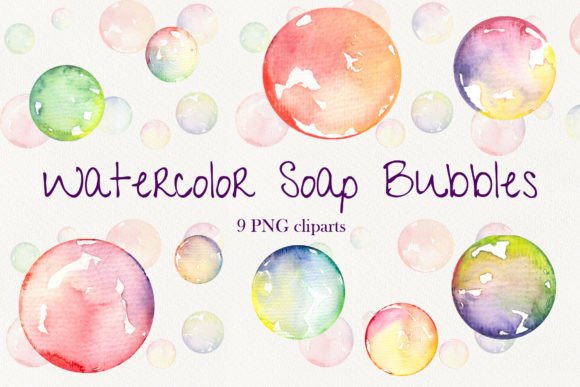
Opening the Watercolor Soap Bubbles design file, I was immediately drawn to its soft, whimsical aesthetic. The illustration mimics a painterly watercolor technique, with translucent bubbles floating in a loose, organic layout. It feels like a breath of fresh air compared to the more rigid, graphic-heavy embroidery designs I often see. This isn’t a bold statement piece—it’s subtle, artistic, and ideal for projects that aim to feel handmade and heartfelt.
From a design perspective, Watercolor Soap Bubbles has a gentle visual flow. The varying sizes and placement of the bubbles create a sense of movement without feeling chaotic. It’s a great example of how illustrative embroidery can elevate a product without overwhelming it. I immediately thought of baby clothes, nursery decor, and personalized tote bags—items where a light, airy design adds charm without shouting.
Real-Life Embroidery Performance
I tested Watercolor Soap Bubbles on a few different materials to get a sense of how it would hold up in real-world applications. Starting with a standard cotton tote bag, the design stitched out cleanly. The color blending in the bubbles gave it that hand-painted feel, and the thread transitions were smooth. There was minimal puckering, even with a medium-weight stabilizer, which is a good sign for small shop owners or Etsy sellers who might be working with limited supplies.
When I moved to a sweatshirt with a thicker fleece lining, I noticed the design retained its softness, though the texture of the fabric slightly muted the watercolor effect. Still, it looked intentional—like a distressed print rather than a flaw. That could be a plus for boutique apparel brands aiming for a vintage or artisanal look.
For baby items, like a cotton onesie, the design held up beautifully. It didn’t feel too busy or overwhelming on the small space, and the lack of sharp edges made it feel safe and approachable. If you're creating personalized baby gifts, this design could be a subtle but memorable touch.
Where to Use With Caution
While Watercolor Soap Bubbles is versatile, it's not a one-size-fits-all embroidery file. I noticed that on stretchy knits—like a baseball cap or a lightweight hoodie—the soft lines of the bubbles lost some definition. The satin stitch outlines helped, but on curved surfaces, the detail can get slightly distorted.
Dark fabrics also require some extra thought. The light, translucent effect of the original design doesn’t pop as well on black or navy backgrounds. If you're planning to use this on darker garments, I’d recommend testing thread color contrast or even modifying the file to increase saturation.
Small hoop sizes are another consideration. The design has a few delicate details, especially where the bubbles overlap. If you're working within tight space constraints, those finer elements might not stitch out clearly. Always test on scrap fabric first and inspect the details under magnification if possible.
Impact on Product Appeal and Customer Perception
From a branding and product value standpoint, Watercolor Soap Bubbles adds a touch of sophistication without being too formal. It works especially well for small creative businesses looking to stand out with a softer, more artistic aesthetic. Whether you're embroidering a boutique tote or a personalized pillow cover, this design communicates care and craftsmanship.
It’s also a great option for gift items. The design feels timeless rather than trendy, which increases its giftability. A customer buying a custom embroidered tea towel or baby blanket with this design is likely to see it as something special—something they can’t just find in a big-box store.
For Etsy sellers and craft fair vendors, the visual appeal of Watercolor Soap Bubbles translates well into digital mockups. When previewing on a printable mockup template, the soft edges and color blending give the impression of a high-quality, hand-finished product. That’s a big plus when you're trying to sell digitally before producing physically.
Practical Designer Notes for Using Watercolor Soap Bubbles
If you're planning to use this design in your embroidery projects, here are a few things I’d recommend:
- Test on scrap fabric first, especially if you're working with textured or stretchy materials.
- Check thread color contrast, particularly on dark or light backgrounds to ensure the watercolor effect comes through.
- Review stitch density, especially in the overlapping bubble areas, to avoid excessive buildup that could pucker fabric.
- Confirm hoop size compatibility, especially if you're using a smaller embroidery machine.
- Inspect small details under magnification to make sure the fine lines are stitching cleanly.
- Use proper stabilizer for the fabric type—especially important for stretchy or delicate materials.
- Test in black and white mockups to see how the design reads without color.
- Compare light and dark fabric backgrounds to determine which gives the best visual impact.
- Verify licensing terms before selling finished items or digital embroidery files to ensure you're covered for commercial use.
Final Thoughts for Embroidery Designers and Sellers
Watercolor Soap Bubbles is a thoughtful, well-executed embroidery file that brings a unique illustrative style to a variety of products. It’s not the kind of design that will dominate a garment, but rather one that enhances it with a quiet elegance. Whether you're creating custom apparel, personalized gifts, or boutique merchandise, this design can be a subtle but effective way to elevate your finished product.
For small business owners and digital product sellers, it’s a versatile addition to your design assets. Just be mindful of fabric choices, hoop size limitations, and thread color options to get the most out of the watercolor aesthetic. And as always, test before production—especially if you're selling embroidered items as part of your craft business or Etsy shop.